
BISP Payment 2026
The Benazir Income Support Programme (BISP) has long been a key initiative by the Government of Pakistan to provide financial assistance to the underprivileged and marginalized sectors of society. Established in 2008, BISP has been instrumental in alleviating poverty, promoting financial inclusion, and improving the living standards of millions of families. With the country experiencing significant economic shifts, the BISP Payment 2026 is expected to be a crucial milestone in the program’s history.
In this article, we’ll explore what the BISP payment for 2026 entails, the steps being taken to improve the program, and the expected impact of these changes.
What is BISP 8171 Web Portal?
The Benazir Income Support Programme (BISP) is a social welfare initiative aimed at providing direct cash transfers to low-income families. It was named after Benazir Bhutto, the former Prime Minister of Pakistan, and was launched as a part of the government’s strategy to combat poverty. Over the years, BISP has evolved and expanded, with the goal of improving economic conditions for the most vulnerable groups in Pakistan.
Since its inception, the program has helped millions of families by providing quarterly payments and various types of aid to support basic living costs. The most well-known component of BISP is the cash transfer scheme, which is designed to reduce poverty by providing money directly to families in need.
Important About Govt Start New Program Ramzan Negahban Card 2026
The Ramzan Negahban Card 2026 is part of Punjab’s major Ramadan relief initiative launched by Chief Minister Maryam Nawaz Sharif to support low-income and deserving families during the holy month. Under this program, eligible households receive cash assistance of Rs 10,000 and free essential food ration including items like flour, sugar, rice and ghee, worth around Rs 15,000 in total. Relief is provided with dignity and often delivered to the home. Eligibility is based on poverty status and registration in the Punjab Socio-Economic Registry (PSER), with applications available via SMS (8070) or the online PSER portal before the February deadline.
Latest Update
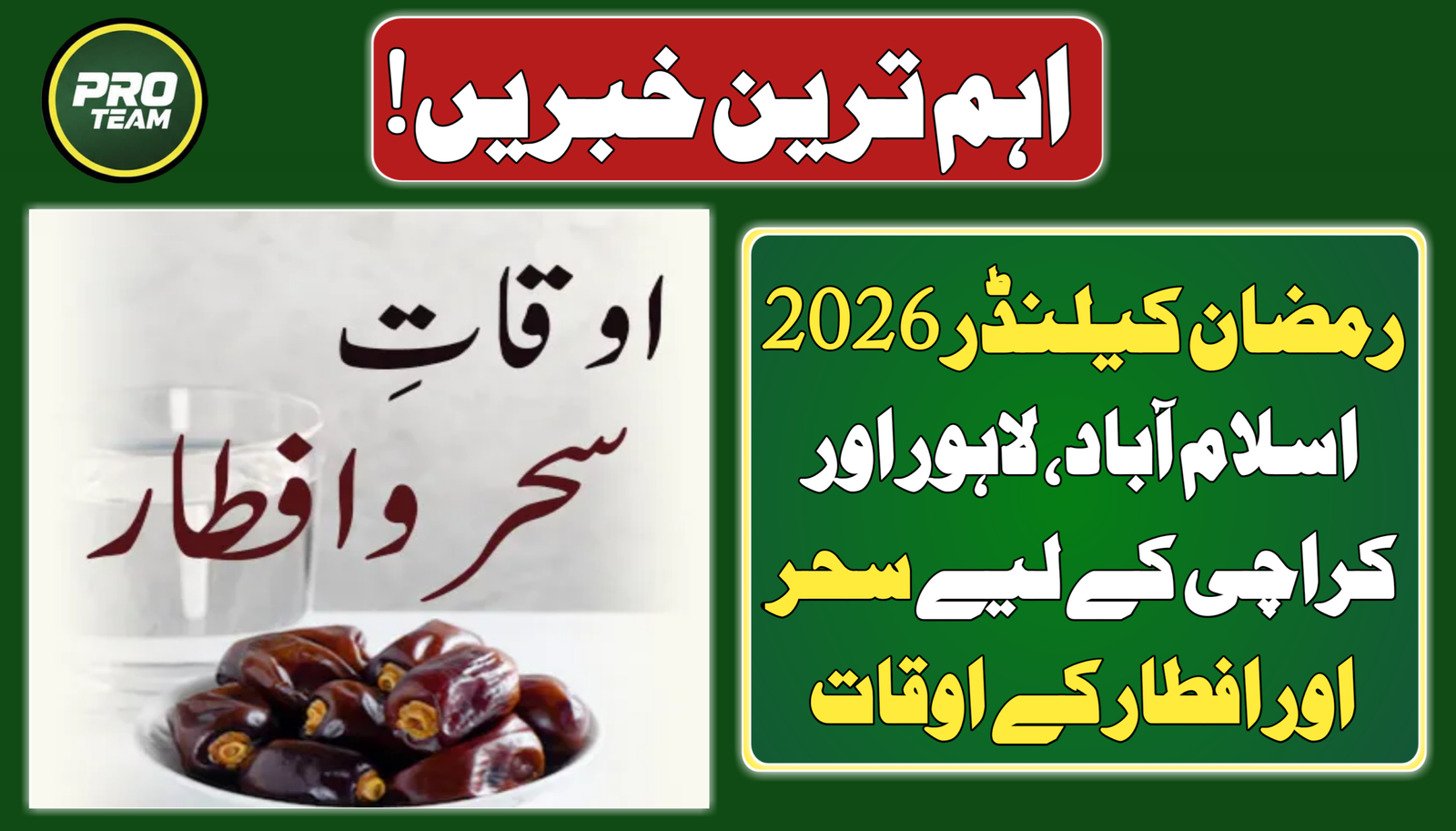
Ramadan is a special month for Muslims in Pakistan, filled with fasting, prayers, and kindness. As Ramadan 2026 approaches, people are already searching for the Pakistan Ramadan calendar 2026 Sehar…
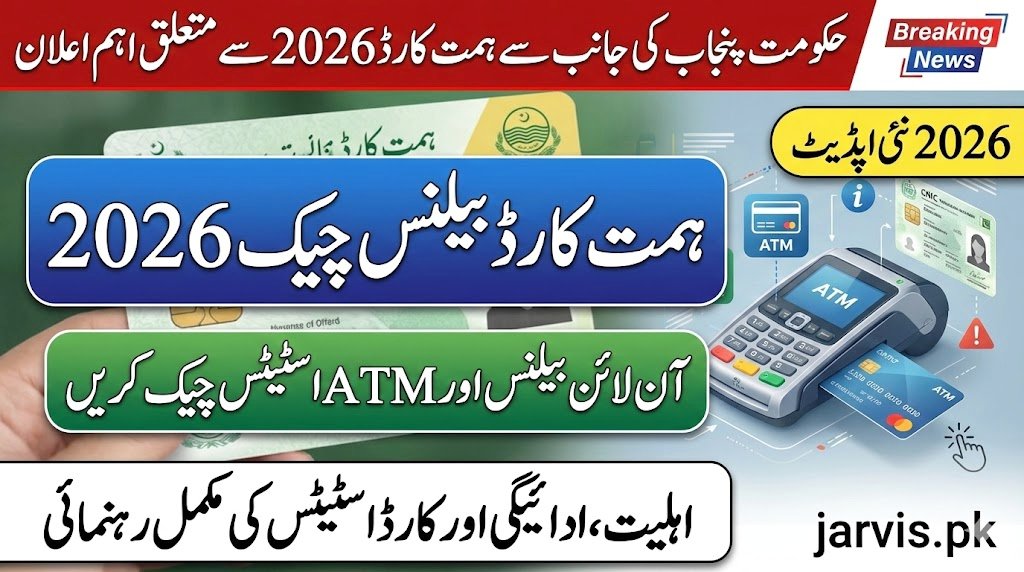
The Himmat Card Punjab Balance Check 2026 system helps persons with disabilities easily check their Himmat Card balance online and verify ATM card status 2026 without visiting offices. This Punjab…
Continue Reading Today Update: How To Check Himmat Card Balance Online In 2026
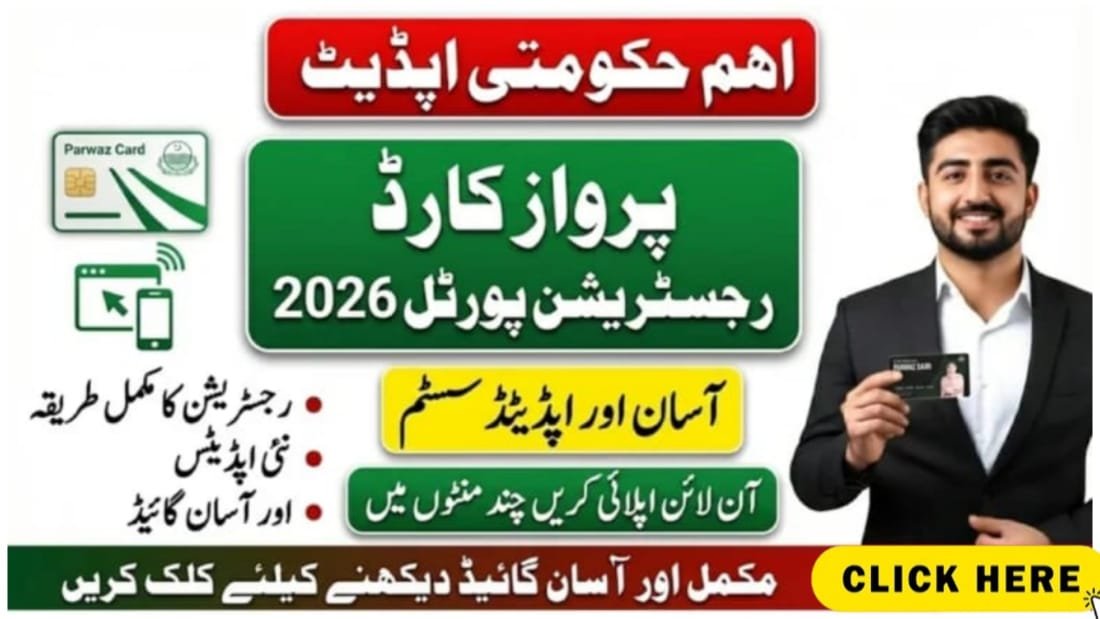
The Punjab Parwaz Card Registration Portal 2026 is a digital initiative by the Government of Punjab aimed at supporting entrepreneurs, youth, women, and skilled professionals. This program provides interest-free business…
Continue Reading Today Update: How To Complete Punjab Parwaz Card Registration Trough Portal 2026
The Bait-ul-Mal Financial Assistance Form 2026 is a major relief initiative for poor and deserving families in Pakistan. Through the Pakistan Bait-ul-Mal financial assistance program 2026, the government provides direct…
Continue Reading How To Apply And Get Bait-ul-Mal Financial Assistance Online
FBR Filer Status Check Checking your tax filer status has become essential for every Pakistani citizen who wants to avoid extra taxes and financial issues. The FBR Filer Status Check…
In 2026, tax records linked to BISP payments have become a decisive factor for BISP 8171 eligibility under the Benazir Income Support Programme. The Government of Pakistan has integrated BISP,…
Continue Reading How Do Tax Records Affect BISP Eligibility And Payments In 2026
The Parwaz Card Online Apply Portal 2026 is a new initiative by the Government of Pakistan aimed at providing financial relief, subsidized services, and digital access to eligible citizens. While…
Continue Reading Parwaz Card Online Apply 2026: Registration Process, Documents & Portal Update
The Pakistan New Pension Scheme 2026 is a major reform introduced by the Government of Pakistan to reduce the growing pension burden and create a sustainable retirement system. This new…
The Rehmatul-Lil-Alameen Scholarship Status Check 2026 is a crucial step for students who applied for this Punjab Government education scholarship. This Rehmatul-Lil-Alameen Scholarship 2026 helps deserving and talented students continue…
Continue Reading How To Check Rehmatul-Lil-Alameen Scholarship Status 2026 (New Method)

A major transatlantic crisis is unfolding over a frozen island. US President Donald Trump’s renewed push to acquire Greenland has triggered massive street Protests in Greenland and Denmark, and now a…
Continue Reading Breaking News! Protests in Greenland and Denmark against Trump plans 2026

The Maryam Nawaz Dhee Rani Program 2026 is a major relief for poor and deserving families in Punjab who struggle to manage wedding expenses for their daughters. Rising inflation has…
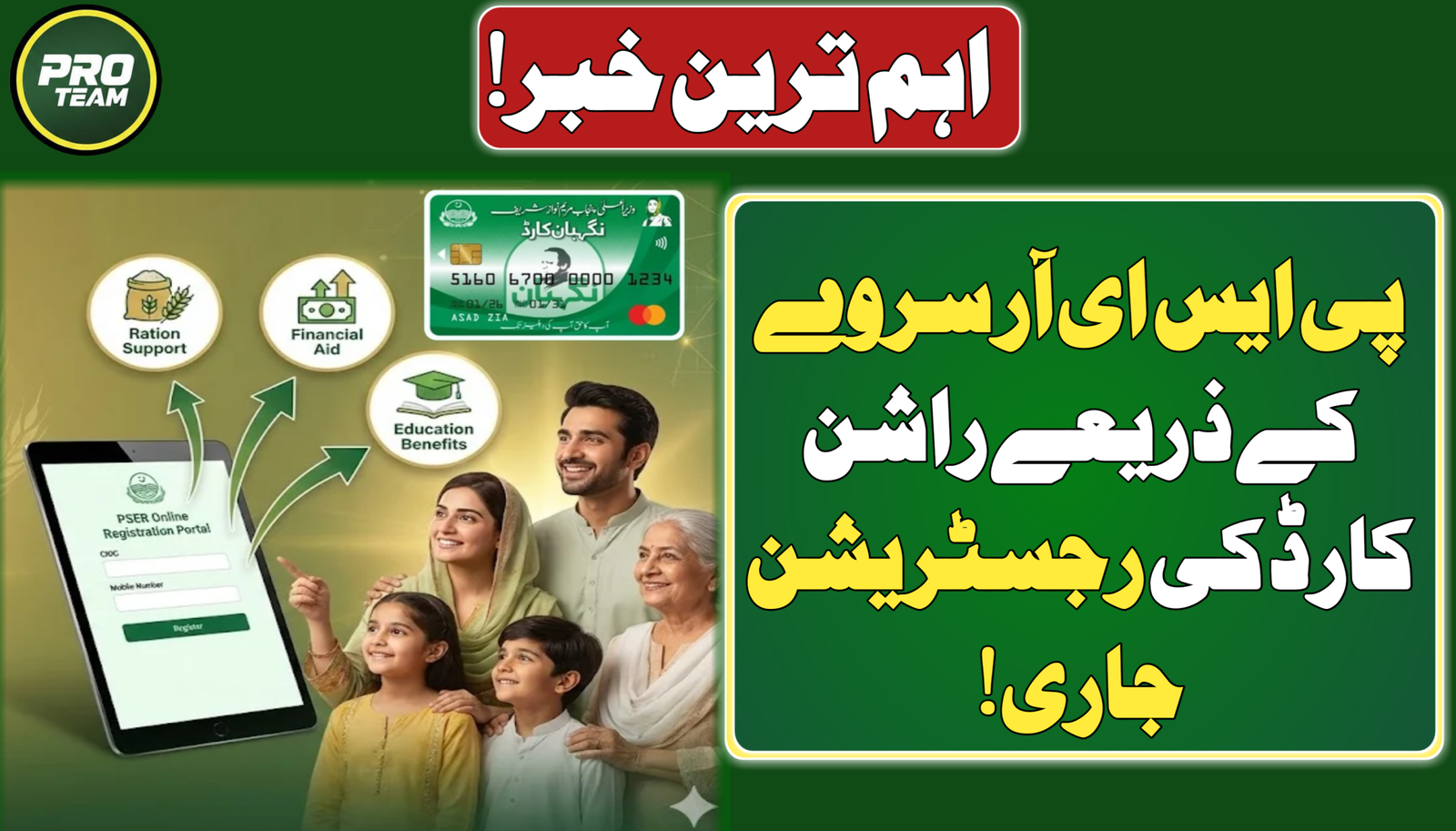
The CM Rashan Card Registration Through PSER Survey has started across Punjab, bringing much-needed relief to low-income families struggling with expensive groceries. Under this program, eligible households can get Rs.…
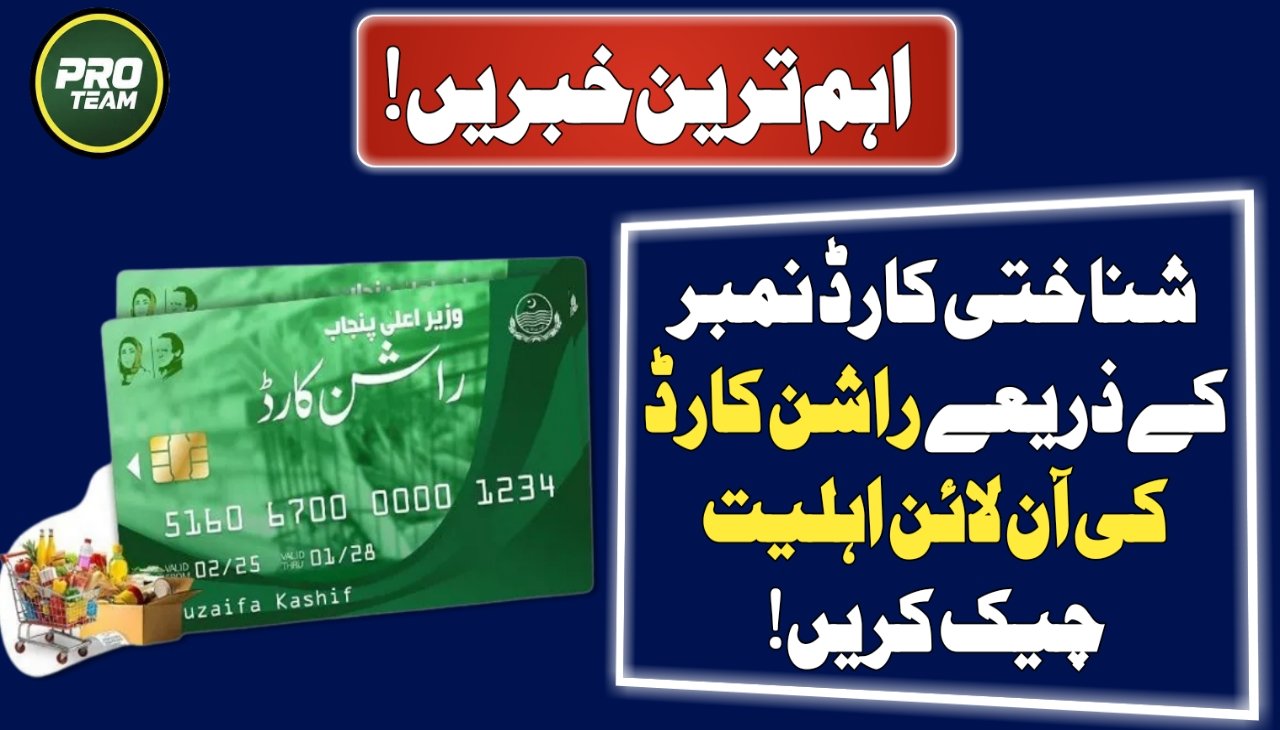
The CM Rashan Card Online Check by CNIC Number 2026 is now much easier for poor and deserving families living in Punjab. The Punjab government, under Chief Minister Maryam Nawaz,…
Continue Reading Good News: CM Rashan Card Online Check by CNIC Number 2026 – Easy Punjab Update
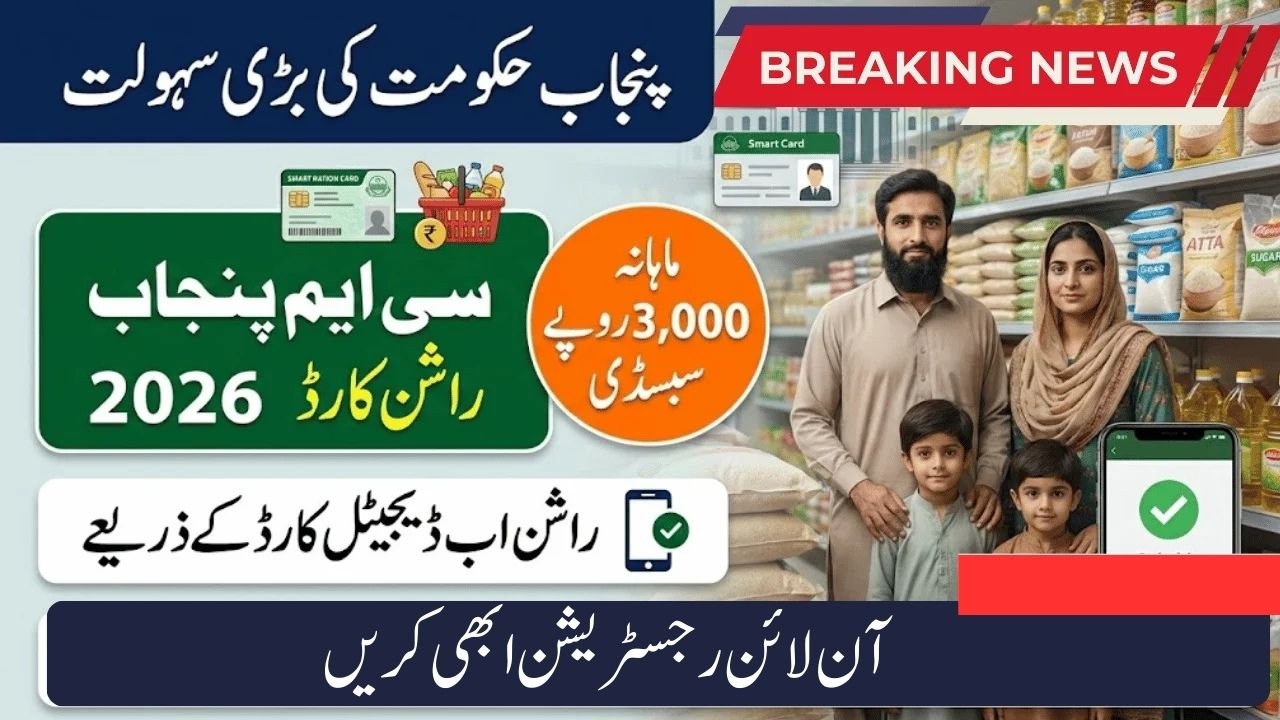
The CM Punjab Ration Card 2026 is a major relief initiative launched by the Government of Punjab under the leadership of Chief Minister Maryam Nawaz Sharif. This program aims to…
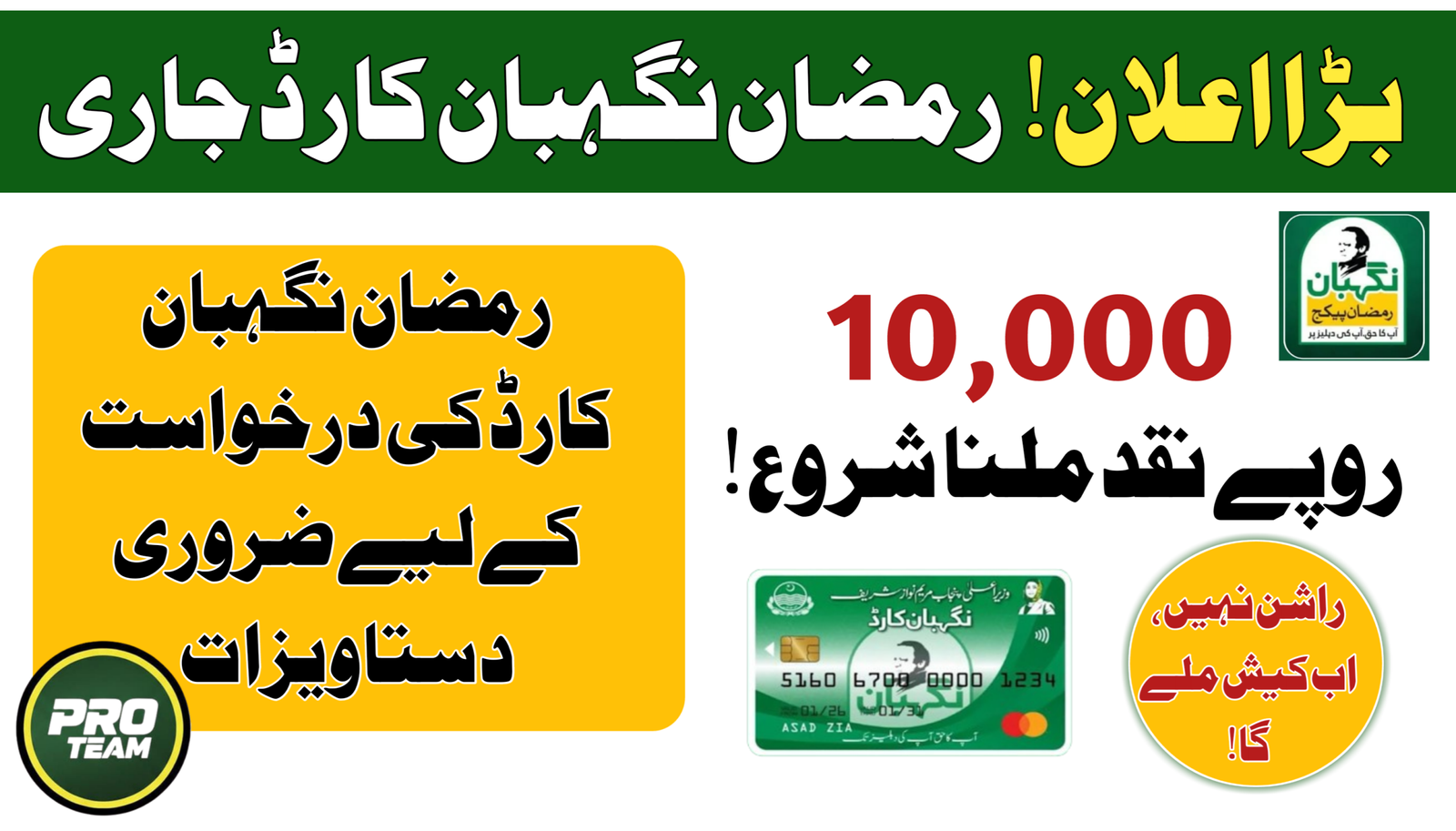
The Punjab government has announced the much-awaited Ramzan Negahban Card 2026 to support families during the holy month. This year, the relief package is even bigger, offering both free ration…
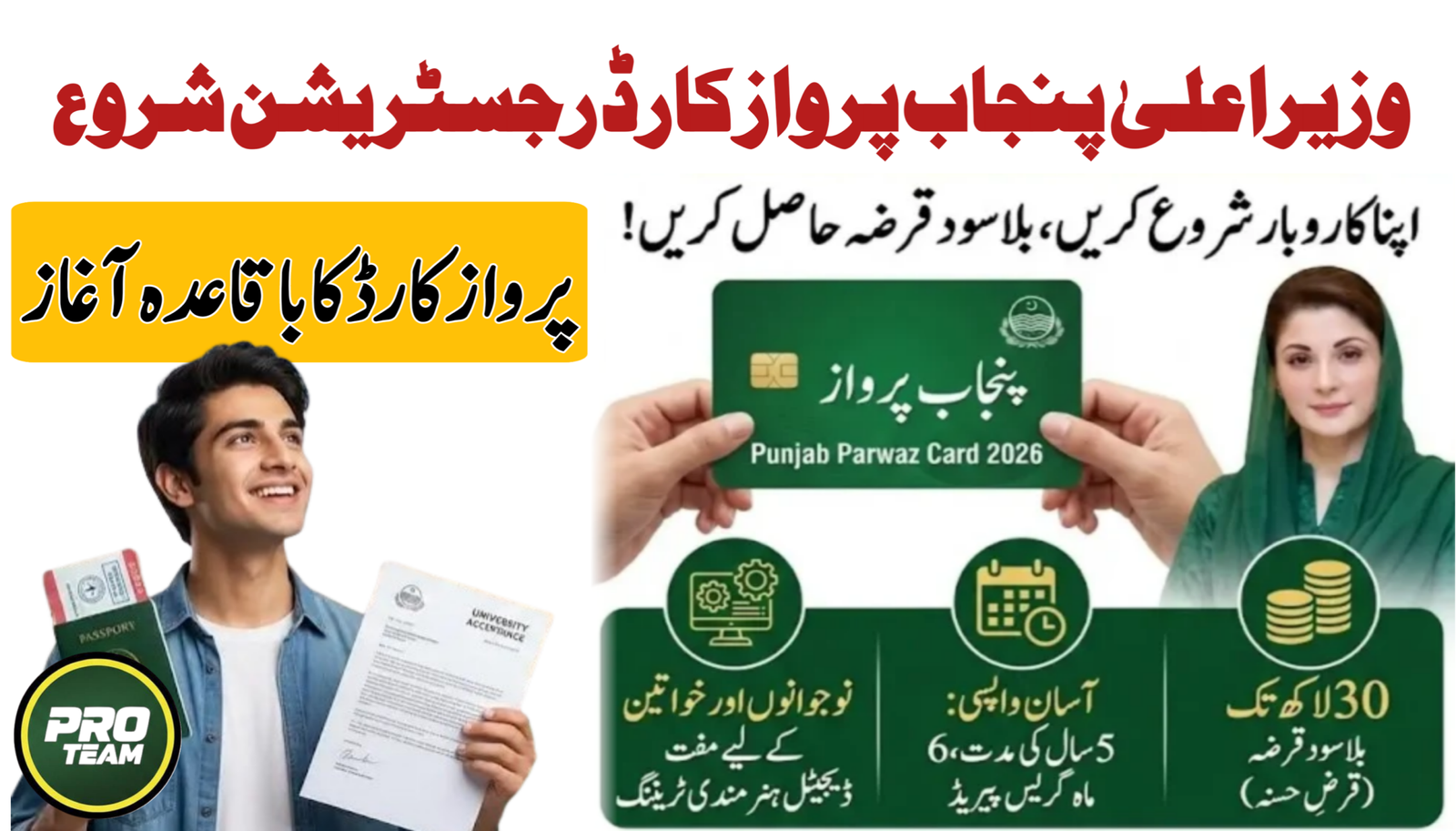
Chief Minister Maryam Nawaz Sharif has officially launched the revolutionary Parwaz Card programme to empower the youth of Punjab. This unique initiative, alongside the Rah-e-Rozgar and Creative Hand schemes, aims…
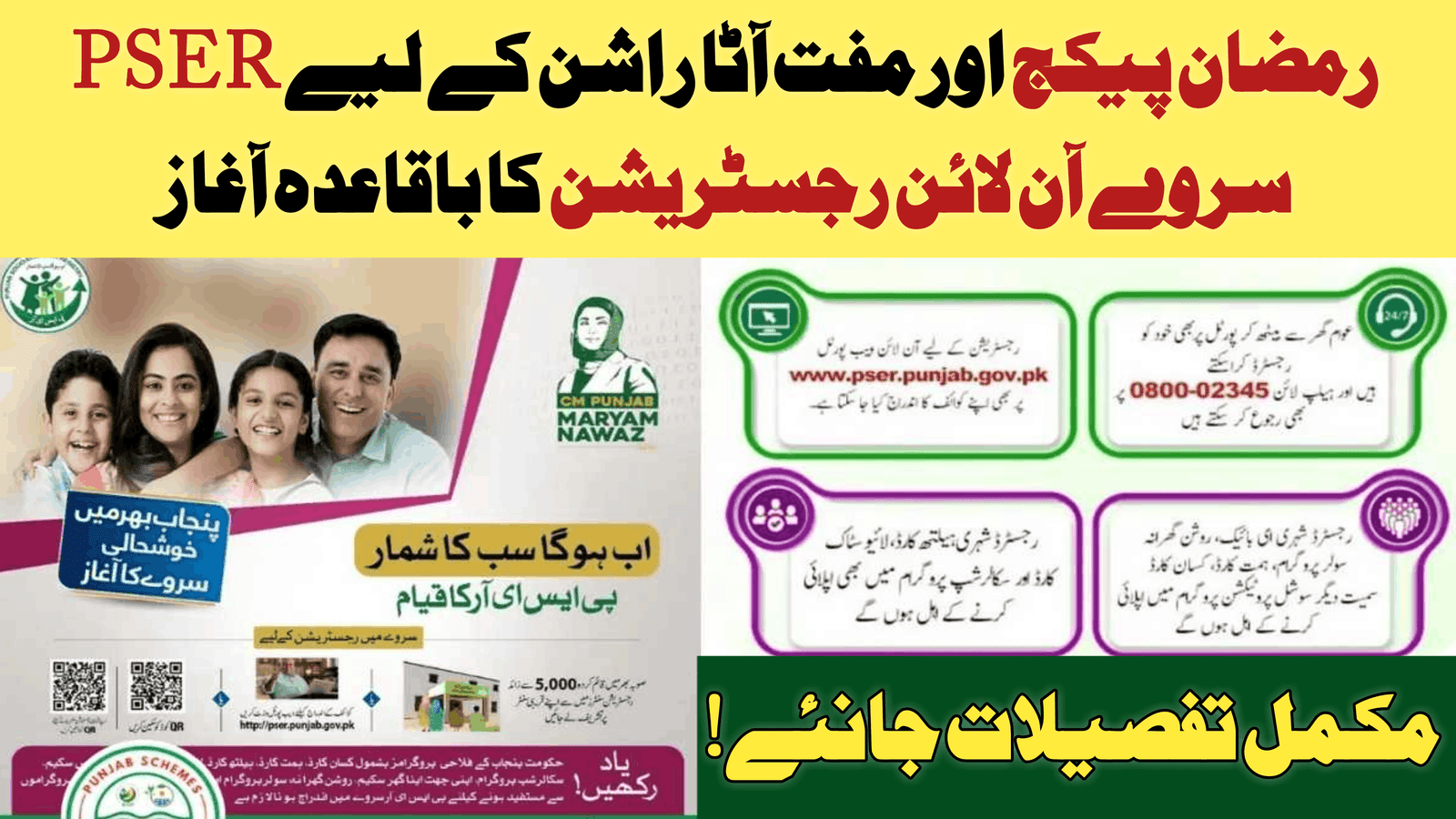
In 2026, PSER Survey Online Registration, Ramzan Package, and Free Atta Rashan are among the most searched welfare programs in Punjab. Thousands of families are looking for easy ways to…

The Negahban Ramzan Package is a special welfare initiative by the Punjab government to support poor and deserving families during the holy month of Ramzan. Every year, thousands of households…
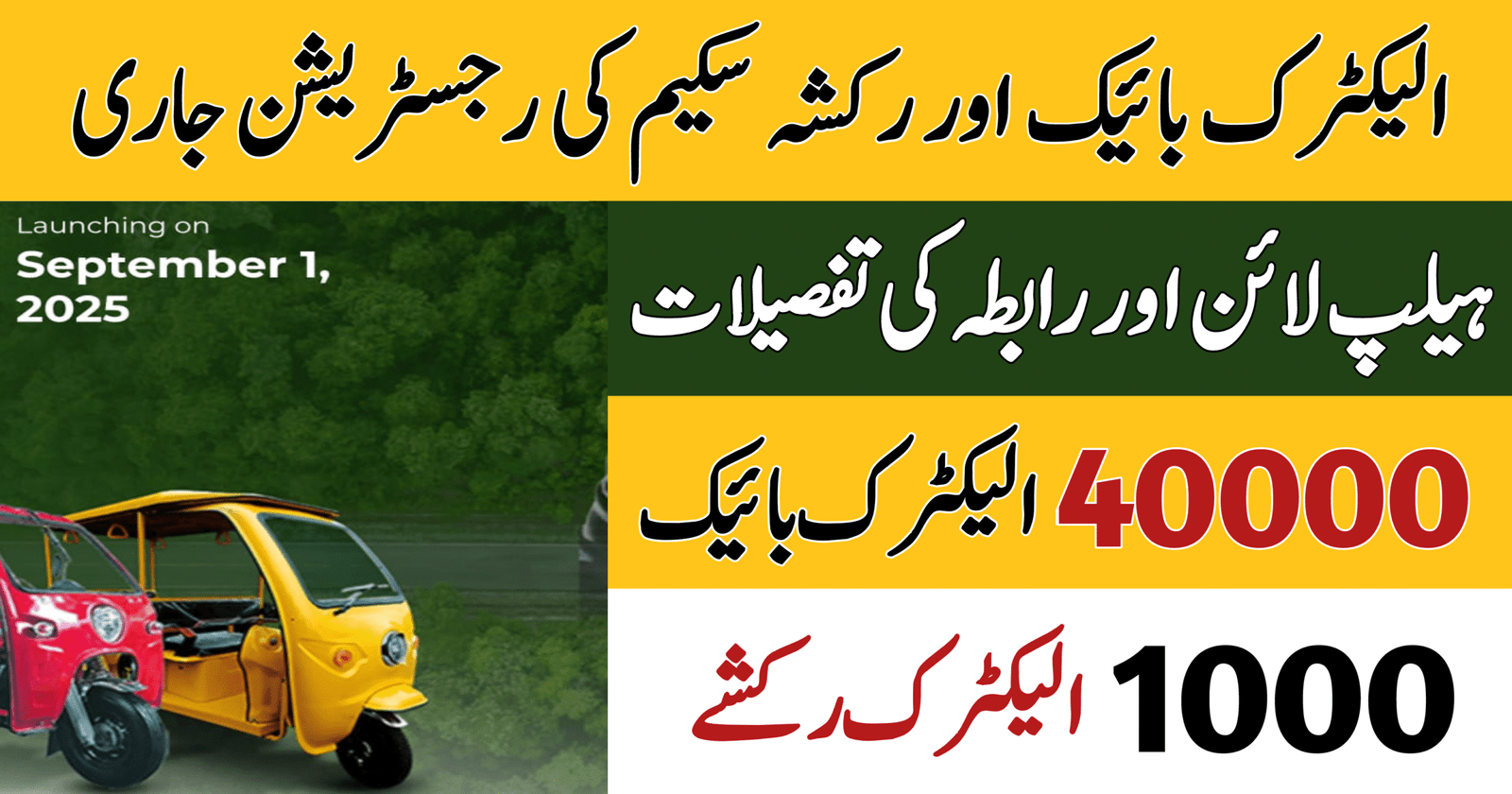
The PAVE Scheme helpline and Contact details for the PM Electric Bike and Rickshaw Scheme 2026 are now officially available. Many people, especially students, job seekers, and small business owners,…

If you are worried about the BISP 8171 Payment Delay 2026, don’t panic. In most cases, the solution is simple. You just need to verify your CNIC through 8171, clear…
Continue Reading Breaking News: BISP 8171 Payment Delay 2026 – Withdraw Rs 13,500 Easily

The BISP Sahulat Account is finally launching on 2026, bringing a big change for millions of poor families in Pakistan. Under this new system, beneficiaries of the Benazir Income Support…
Continue Reading Good News: BISP Sahulat Account Launching 2026 – Complete Registration Guide
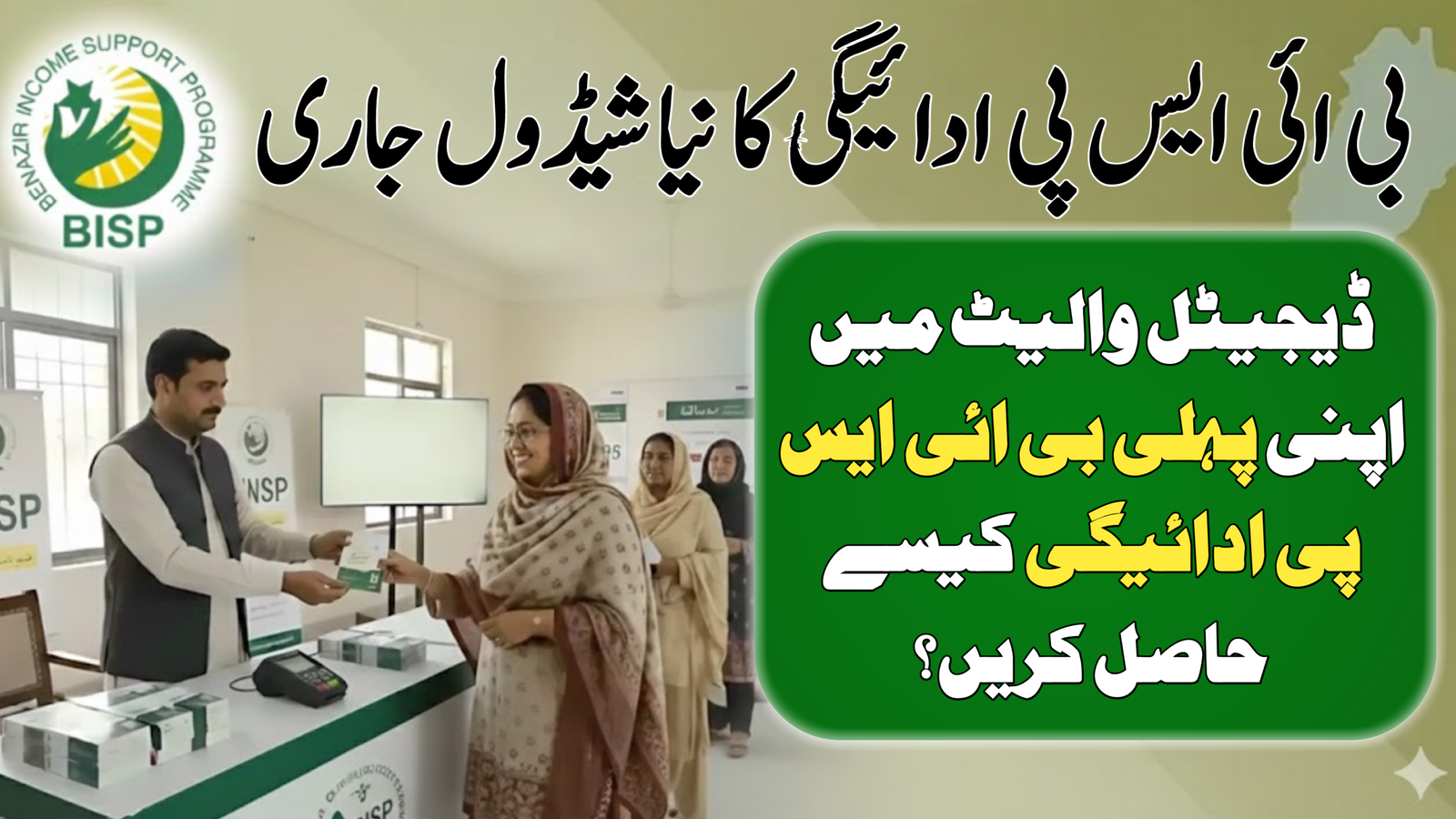
Getting your first BISP payment in a digital wallet is now easier than ever. The Benazir Income Support Programme (BISP) allows eligible families to receive funds directly through mobile wallets…
Continue Reading Top News: How to Get Your First BISP Payment in a Digital Wallet 2026
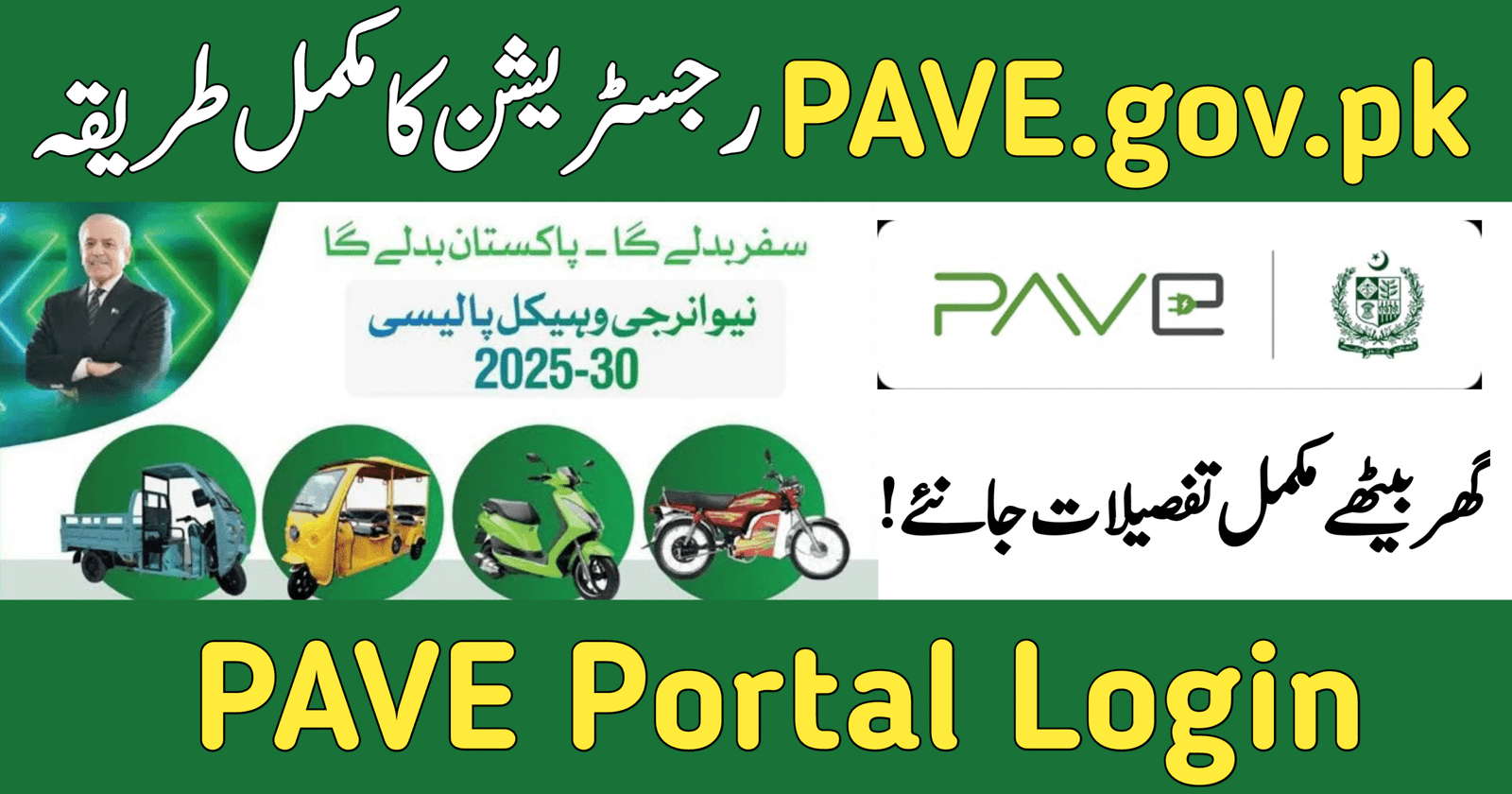
If you are searching for PAVE.gov.pk Registration 2026–30, PAVE Portal Login, CNIC Verification, and EV Subsidy details, then this guide is for you. The Pakistan Accelerated Vehicle Electrification (PAVE) Program…
Continue Reading Apply Now: PAVE.gov.pk Registration 2026–30 | PAVE Portal Login

Apply for Apni Chhat Apna Ghar Housing Scheme 15 Lakh Interest Free Loan 2026 is one of the most searched topics right now in Pakistan. Rising rent, expensive plots, and…
Continue Reading Apply for Apni Chhat Apna Ghar Housing Scheme 2026 – Get 15 Lakh Interest-Free Loan
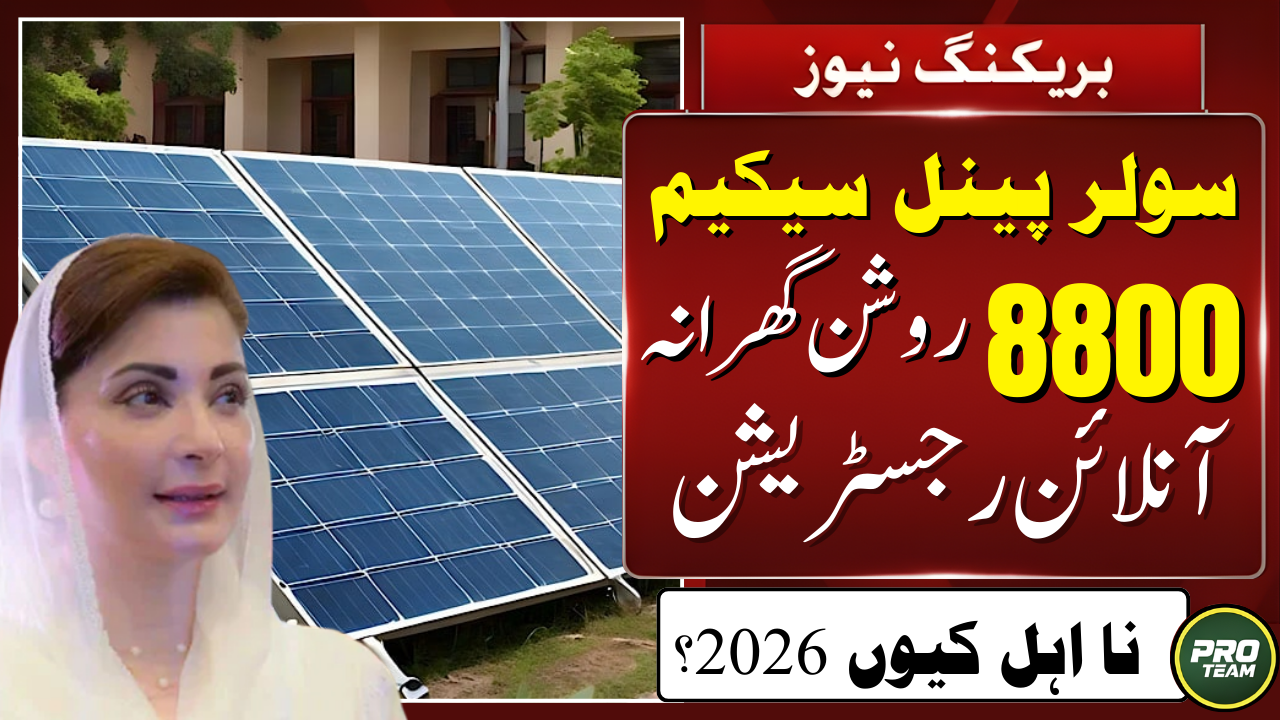
Don’t pay another high electricity bill! The CM Punjab Solar Panel Scheme 2026 is now active, and you can check your eligibility in 30 seconds by sending just one SMS…
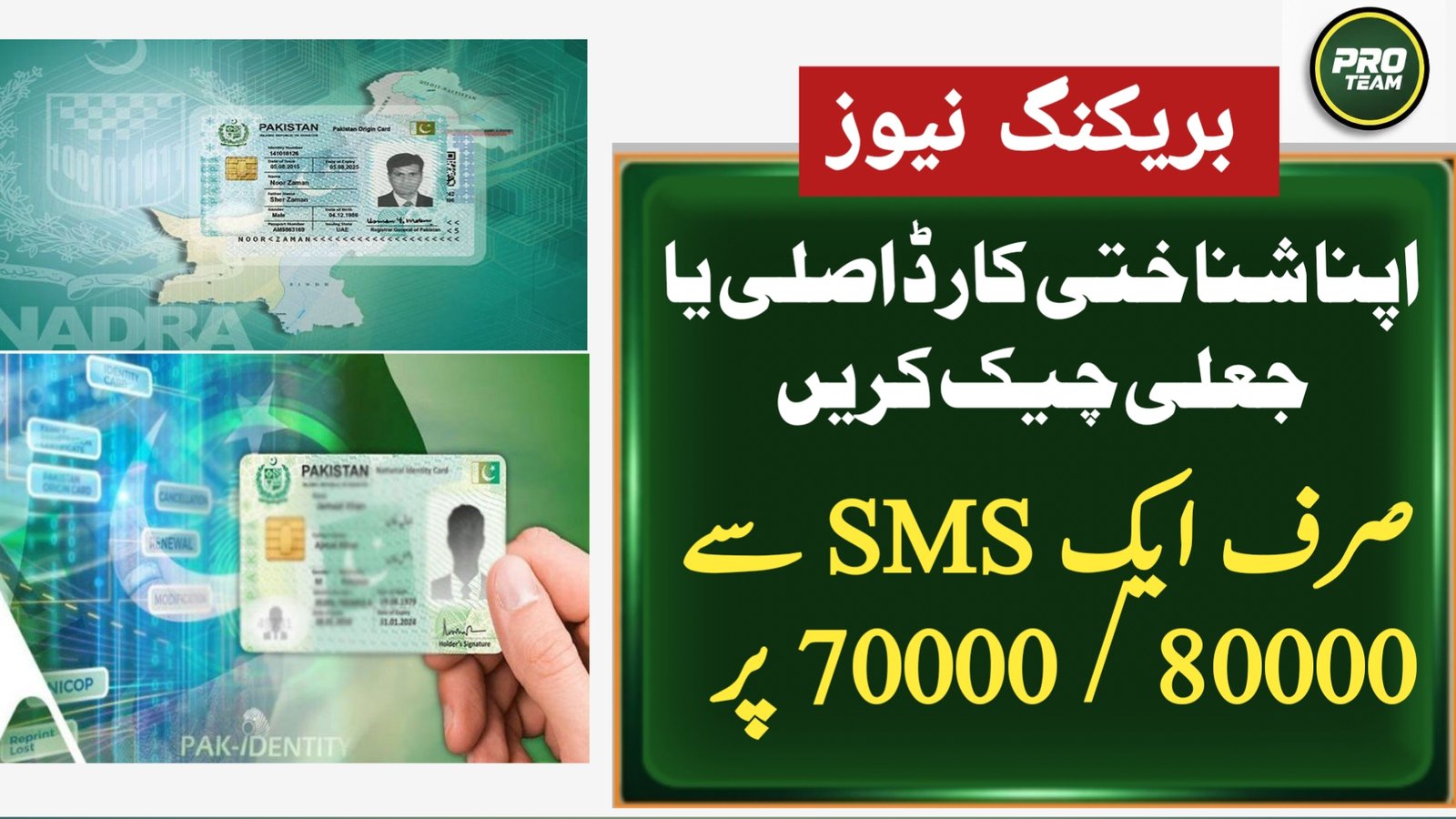
If you want to check your CNIC details without visiting a NADRA office, this guide on How to verify CNIC status through NADRA SMS service 80000/70000 will help you step…
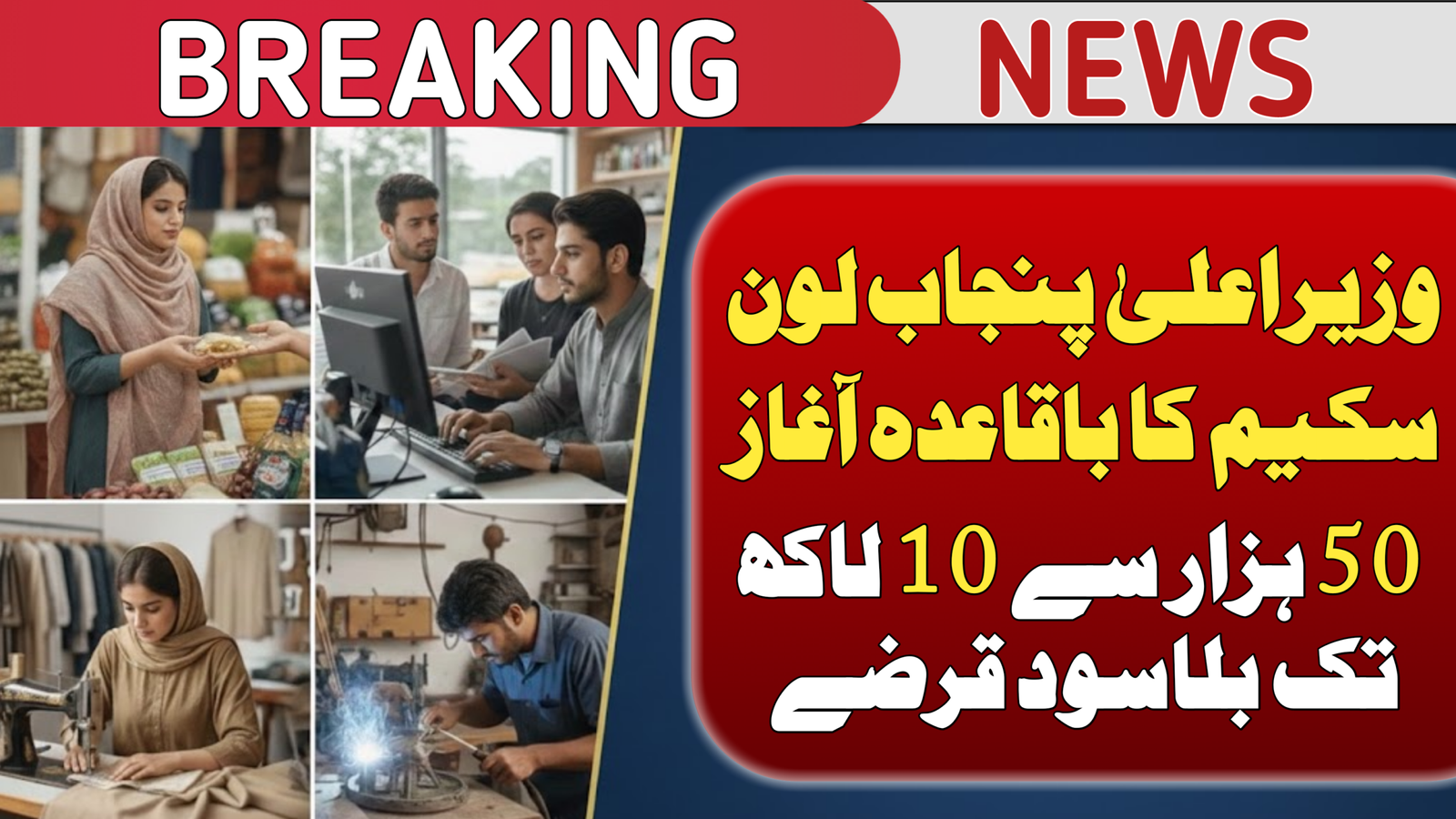
The CM Punjab Loan Scheme 2026 is a golden chance for people in Punjab who want to start their own business or expand an existing one. This government program provides…
Continue Reading Breaking News: CM Punjab Loan Scheme 2026 – Apply Online for Business
The Government of Punjab has officially announced several job openings for District Council Khanewal in 2026. These positions are being offered under the Local Government & Community Development (LG&CD) Department…
Continue Reading Today News! How to Apply for District Council Khanewal Jobs 2026 Online

Stop paying for expensive petrol! The Government of Pakistan has started transferring direct subsidy amounts—up to Rs. 80,000—into the bank accounts of successful applicants under its massive Rs. 100 billion electric vehicle (EV)…
Continue Reading Breaking News! Govt to Give Rs. 100 Billion Subsidy on Electric Vehicles Till 2030
The Payment Process of BISP
The core objective of BISP payments is to ensure that financial assistance reaches the intended beneficiaries efficiently and transparently. Historically, payments have been made through direct bank transfers, mobile wallets, and cash distribution points across the country. This system has been refined over the years to provide a seamless experience for recipients, including the introduction of Pakistan Post for efficient distribution and monitoring.
BISP Payment for 2026: Key Updates
As Pakistan moves into 2026, BISP payments are expected to undergo significant changes. These changes aim to enhance the program’s efficiency, expand its reach, and better serve the economic needs of Pakistan’s most vulnerable populations. The following updates have been officially confirmed by BISP authorities:
1. Increased Payment Amounts
One of the most anticipated updates for 2026 is the increase in payment amounts. According to recent statements from BISP officials, the program will increase its quarterly cash transfers to eligible families. The new amount will depend on the family size, and the goal is to ensure that the support provided is adequate to meet the rising cost of living in Pakistan.
The increase in financial aid comes as a response to inflation and the economic pressures faced by Pakistani households. With rising prices in food, healthcare, and education, the government recognizes the need to adjust the amount of support that is provided to the poorest families.
2. Digital Payment Platforms
In 2026, BISP is set to digitize its payment process even further. Currently, the payment process is carried out through a combination of bank accounts, mobile wallets, and distribution points. However, in 2026, there will be a greater emphasis on digital platforms to ensure quicker and more secure transfers.
With Pakistan’s growing mobile penetration and internet connectivity, the plan is to leverage mobile banking and electronic payment systems to make transfers more efficient. BISP will partner with private banks, mobile financial services (such as Easypaisa, JazzCash, and UBL Omni), and fintech companies to enhance the accessibility of payments for rural and underserved populations.
The new BISP payment portal will allow beneficiaries to track their payments, apply for aid, and manage their accounts through their mobile phones. This move towards digital platforms will reduce bureaucratic delays and make the payment process more transparent.
3. Targeted Expansion
In 2026, BISP will focus on expanding the program’s reach to include more deserving families. According to the official statement, the government aims to include an additional five million families under BISP’s coverage, expanding the scope of financial assistance significantly.
The expansion will be based on newly developed targeting mechanisms, which will identify individuals and families in need more effectively. These targeting methods will rely on big data and artificial intelligence to analyze demographic, economic, and social data. This will help ensure that resources are directed towards the families that are most in need.
4. Incorporation of Health and Education Support
One of the more forward-looking updates in 2026 will be the integration of health and education support with BISP’s cash transfer system. The government is planning to introduce a conditional cash transfer (CCT) model, where payments will be linked to health and education outcomes.
For instance, families receiving BISP payments will be required to ensure that their children attend school regularly, and that they receive basic healthcare, such as vaccinations. If families meet these conditions, they will be eligible for additional financial benefits.
This shift to conditional payments has been proven to improve outcomes in other countries and is expected to have a positive impact on education and healthcare participation in Pakistan.
5. Improved Monitoring and Transparency
Transparency and accountability have always been major challenges for cash transfer programs, and BISP is no exception. To address these challenges, the government of Pakistan has committed to strengthening the monitoring and evaluation mechanisms in place for BISP.
Starting in 2026, BISP will introduce blockchain technology and real-time data tracking to enhance transparency in the distribution process. With the help of modern technologies, the government aims to reduce corruption, increase the accuracy of fund distribution, and minimize errors in beneficiary identification.
6. Focus on Women and Minorities
BISP has always placed a strong emphasis on empowering women, recognizing that they often bear the brunt of poverty. In 2026, the program will increase its efforts to ensure that financial support is directly provided to women-headed households and other marginalized groups, including ethnic minorities and displaced persons.
The government plans to implement special schemes aimed at improving women’s access to BISP benefits. This will include providing female recipients with additional support for entrepreneurship and small-scale business initiatives.
7. Partnerships with Local NGOs
BISP’s partnership with non-governmental organizations (NGOs) will also grow in 2026. Many NGOs in Pakistan already work at the grassroots level and have the trust of local communities. By collaborating with these NGOs, BISP aims to ensure that beneficiaries are provided with additional services such as financial literacy programs, vocational training, and small grants for local entrepreneurship.
This partnership is expected to help families transition out of poverty in a more sustainable manner by providing them not only with immediate cash support but also the skills and knowledge necessary for long-term financial independence.
3. How to Check Your Payment Schedule
If you’re a BISP 8171 beneficiary, you can check the specific payment schedule and status of your payment using the following methods:
- SMS Service: Send your Computerized National Identity Card (CNIC) number to 8171 via SMS. The system will reply with your payment details, including whether you are eligible for the payment and when to expect it.
- Official Website: Visit the official BISP website (bisp.gov.pk) for updates on payment schedules and announcements.
- BISP Call Center: You can call the BISP helpline (sometimes provided on official documents or through local numbers) for direct information on your payments.
- BISP E-portal: Some users can access the official BISP web portal where they can log in using their CNIC number to get real-time updates on the status of their payment.
4. Important Dates
BISP tends to announce specific payment schedules at the start of each quarter (e.g., for January-March, April-June, July-September, October-December). Keep an eye out for announcements, especially as the year progresses, for more exact dates for 2026.
| Payment Quarter | Start Date of Payment | End Date of Payment | Payment Mode | Important Notes |
|---|---|---|---|---|
| Q1 (Jan-Mar) | January 10, 2026 | January 31, 2026 | Direct Bank Transfer, Cash Points, Mobile Wallets | Payments for the first quarter are usually disbursed at the start of the year. Ensure your mobile wallet or bank account is activated. |
| Q2 (Apr-Jun) | April 10, 2026 | April 30, 2026 | Direct Bank Transfer, Cash Points, Mobile Wallets | For this quarter, BISP may introduce special programs like health or education incentives. |
| Q3 (Jul-Sep) | July 10, 2026 | July 31, 2026 | Direct Bank Transfer, Cash Points, Mobile Wallets | Middle of the year payment may include adjustments based on inflation. Check for updates via SMS at 8171. |
| Q4 (Oct-Dec) | October 10, 2026 | October 31, 2026 | Direct Bank Transfer, Cash Points, Mobile Wallets | End of year payments may be slightly higher, considering inflation rates and program updates for the year. |
Conclusion: The Future of BISP
BISP’s official update for 2026 reveals a forward-thinking strategy that addresses both current challenges and long-term goals. With the increase in payment amounts, the shift toward digital platforms, and the expansion of services beyond cash transfers, BISP’s 2026 reforms promise to provide more targeted, transparent, and impactful support to millions of families in Pakistan.
SmartFixers.pk is an independent informational website and is not affiliated with any government authority.