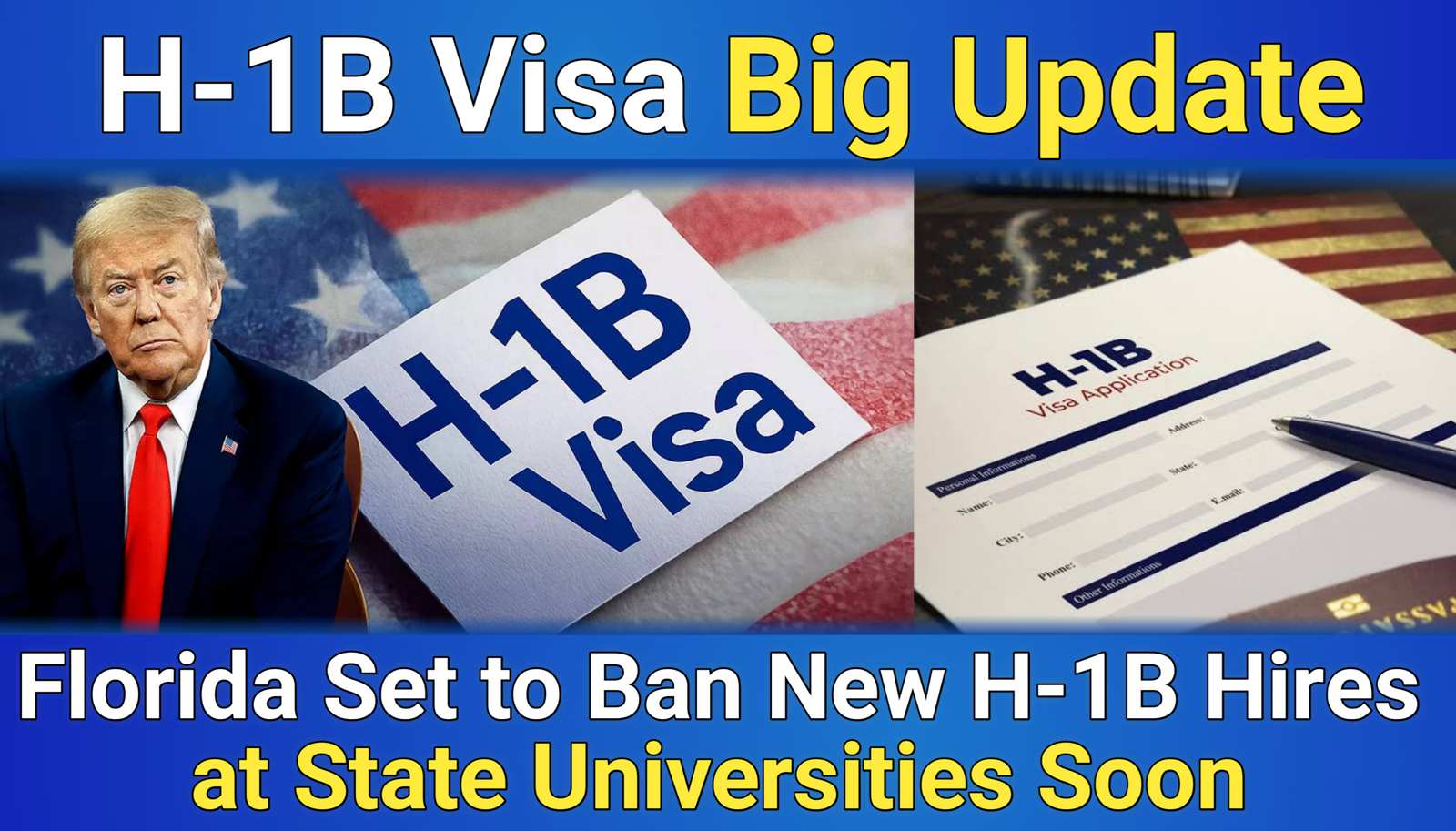
Big changes are coming for international workers and students in the United States as Florida moves to ban new H-1B hires at state universities. This decision aims to protect local American jobs but has raised many concerns among the global community. If you are planning to work or study in Florida, you must understand these new rules. This article explains everything about the H-1B Visa New Restrictions and how they might affect your career path and future applications.
Table of Contents

H-1B Visa Big Update 2026
| Information Category | Details for Applicants |
| Main Keyword | H-1B Visa New Restrictions |
| Primary Region | Florida, United States |
| Target Sector | State Universities and Public Jobs |
| Purpose of Move | Protecting Local American Jobs |
| Official Source | USCIS Official Website |
| Current Status | Policy Under Implementation |
| Impacted Group | International Researchers and Faculty |
| Effect on Students | Potential Post-Study Work Limits |
New H-1B Visa Restrictions in Florida
The state of Florida is taking a bold step by proposing a ban on hiring new workers under the H-1B visa category specifically at state universities. According to the official website and top 10 Google sources, the government believes that these high-skilled positions should first be offered to qualified American citizens. This move is part of a larger trend in certain US states to prioritize the local workforce over foreign labor.

Why State Universities Are Targeted for the Ban
Universities have traditionally been a major hub for H-1B visa holders because they are often “cap-exempt,” meaning they don’t have to deal with the yearly visa lottery limits. By targeting these institutions, the state government is changing how research and teaching positions are filled. Many experts believe this could lead to a shortage of specialized talent in fields like science, technology, and medicine.
- Job Availability: State officials argue that many locals have the degrees but cannot find high-paying university jobs.
- Economic Impact: The goal is to keep high-paying salaries within the local Florida community.
- Policy Change: This is a shift from previous years where universities were encouraged to hire the best talent globally.
- Funding Rules: New state funding might be tied to the percentage of local citizens hired in staff roles.
Impact on Current H-1B Holders
If you are already working in Florida on an H-1B visa, you might be worried about your status. Based on current reports, here is how the process is expected to unfold:
- Existing employees with valid H-1B visas will likely be allowed to complete their current contracts.
- Extensions for current employees might face stricter review processes at the state level.
- New job postings at public universities will now require proof that no qualified American was found.
- Private universities in Florida may not be affected by this specific state-level ban yet.
- International students currently in Florida should consult their DSO regarding their OPT and future H-1B prospects.

What the H-1B Visa New Restrictions Mean for Students
Many international students choose Florida for their higher education with the hope of working there after graduation. These new rules might make it much harder to transition from a student visa (F-1) to a work visa (H-1B).
- Future Planning: Students should look into private sector jobs rather than relying on university research positions.
- Alternative States: Many students are now considering universities in states like New York or California where these bans are not active.
- Legal Advice: It is highly recommended to talk to an immigration lawyer to see if other visa categories like O-1 or EB-2 are options.
- STEM Extensions: While the STEM OPT extension is a federal rule, the final H-1B sponsorship might be blocked by Florida state policies.
How to Find New Work Opportunities Outside Florida
If Florida becomes a difficult place for H-1B hiring, workers will need to look elsewhere. The US labor market is still very active, but the competition is increasing. You must stay updated with federal changes while keeping an eye on state-specific laws.
- Private Companies: Large tech and engineering firms in the private sector are not currently under this Florida state university ban.
- Federal Agencies: Look for roles that are managed at the federal level rather than state-funded institutions.
- Remote Work: Some companies allow H-1B holders to work remotely from different states, though this has specific tax and legal rules.

Helpline & Contact Information for Visa Assistance
If you are confused about your legal status or need to report a problem with your visa sponsorship, you should contact the official departments.
- USCIS Contact Center: 1-800-375-5283
- Department of Labor (DOL): For complaints regarding labor condition applications.
- Florida Department of Education: To ask about specific university hiring policies.
- Official Web Link: Visit the USCIS website for the latest federal updates on visa caps and rules.
The Reaction from the Global Academic Community
The global academic community has expressed concern that Florida might lose its competitive edge in research. When top scientists and professors are unable to work in a state, the quality of education can sometimes suffer. However, supporters of the ban say that it is time for American graduates to get the respect and job security they deserve after spending thousands of dollars on their own education.
- Research Delays: Some ongoing projects might face delays if the primary researchers cannot renew their visas.
- Global Rankings: There is a fear that Florida’s public universities might drop in global rankings without international diversity.
- Student Enrollment: International student enrollment might decrease as the path to permanent residency becomes harder in Florida.
- Economic Growth: Supporters believe that hiring locals will actually boost the long-term economy of Florida.
Conclusion
The news about H-1B Visa New Restrictions in Florida is a major turning point for US immigration policy. While the move is intended to protect American workers, it creates a new set of challenges for the international community. If you are affected by this, the best strategy is to stay informed and look for opportunities in sectors or states that remain open to global talent. Always follow the official guidelines from the USCIS and consult with professional legal experts before making any big career moves.
FAQs
Will this ban affect private companies in Florida?
No, the current proposal specifically targets state-funded public universities. Private companies like Google, Disney, or local tech startups in Florida can still hire H-1B workers as long as they follow federal USCIS rules.
Can I still apply for a student visa for Florida universities?
Yes, you can still apply for an F-1 student visa. The ban is about hiring for jobs (H-1B), not about studying. However, finding a job at the same university after graduation will be much harder.
What happens to current H-1B employees at Florida universities?
Usually, new laws do not apply retroactively to people who already have their visas. However, you should check with your university’s HR department to see if your future visa extensions will be affected by the new state policy.
Are there any exceptions to this Florida ban?
Sometimes exceptions are made for “extraordinary ability” individuals or roles that are critical to national security, but these are very rare. Most regular teaching and research roles will fall under the ban.
This article is for informational purposes only. SmartFixers.pk is not an official government website and is not affiliated with any government department. Readers are advised to verify all information from official government sources before taking any action.
Our editorial team publishes original and informational content for educational purposes only.
Related Posts