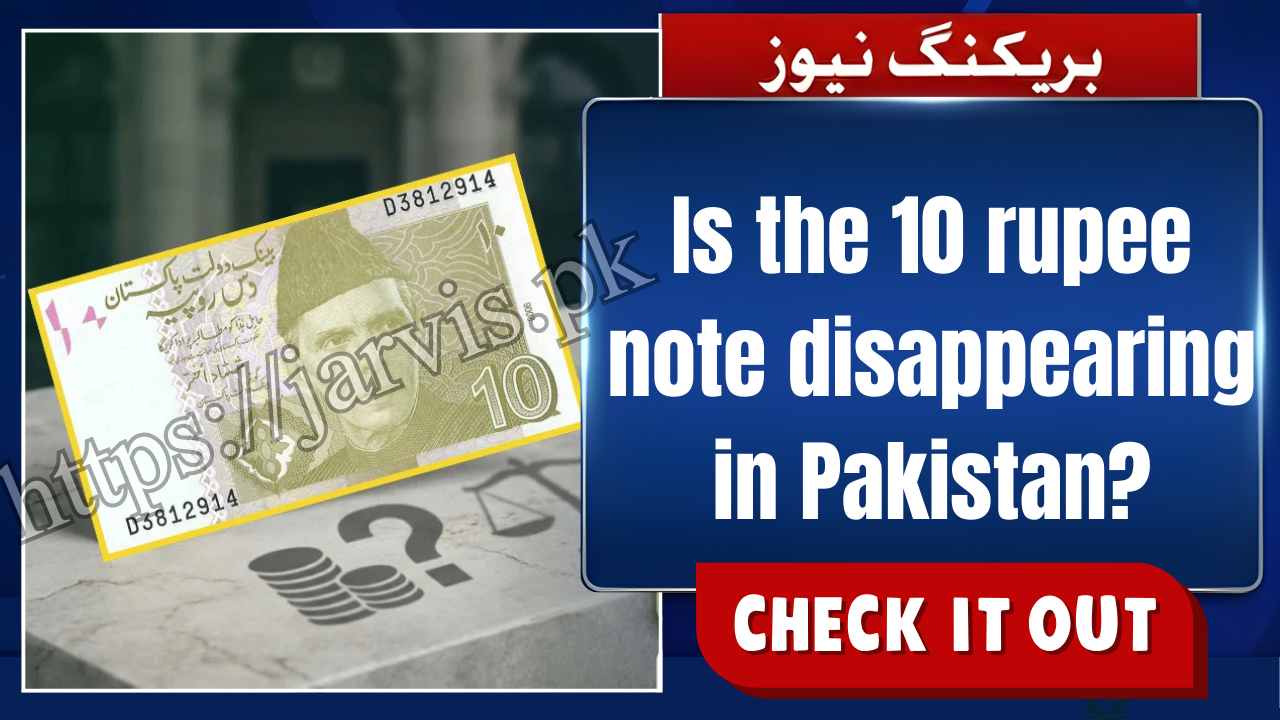
A simple Rs. 10 note in your wallet might soon become a collector’s item. The Federal Cabinet has formed a high-level committee to review the future of the Rs. 10 banknote, sparking nationwide speculation about its discontinuation. While no final decision has been made, this move signals a serious government review due to rising printing costs and low durability. Here is the complete, official update on what’s happening and what you need to do.
The committee, led by the Finance Minister, is studying whether to keep the paper note, replace it with a coin, or continue both. Your existing Rs. 10 notes remain 100% legal tender until any official announcement is made.
Why is the Government Reviewing the Rs. 10 Note?
The review is driven by practical economic and logistical factors. The government is evaluating long-term cost efficiency.
| Reason for Review | Key Detail |
|---|---|
| High Printing Cost | The cost of printing a Rs. 10 note is now very close to its face value. |
| Low Durability | Paper notes wear out quickly, often lasting less than 2 years due to heavy use. |
| Global Trend | Many countries phase out low-value paper currency in favor of longer-lasting coins. |
| Frequent Replacement | Constant re-printing strains the national mint and budget. |
What is the Role of the Government Committee?
The committee has a clear mandate to analyze all aspects before making a recommendation.
- Analyze Costs: Compare the total lifecycle cost of paper notes vs. coins.
- Study Public Convenience: Assess how a switch would affect daily transactions for the public and businesses.
- Review International Models: Look at best practices from other countries.
- Submit Recommendations: The final report will go to the Federal Cabinet for a decision.
What Are the Possible Outcomes?
Based on the committee’s review, one of three decisions is likely:
- Continue with Paper Note: Keep the status quo if public convenience outweighs costs.
- Introduce a Rs. 10 Coin: Phase out the paper note and introduce a coin, likely over a long transition period.
- Parallel Circulation: Allow both the paper note and a new coin to circulate together for several years.
Official Source for Updates: For authentic information, refer to the Ministry of Finance: http://www.finance.gov.pk
What Does This Mean for the Public?
If a decision is made to discontinue the note, the process will be gradual and public-friendly.
- No Sudden Change: Your existing notes will remain valid for a long time.
- Exchange Facilities: Banks will accept old notes for exchange if a deadline is set.
- Business as Usual: Retailers and vendors will continue to accept the note until instructed otherwise.
- No Loss of Value: Your money is safe. The face value will not be lost.
How Would a Rs. 10 Coin Be Better?
The primary argument for a coin is economic efficiency.
- Long Lifespan: A coin can last 20-30 years, compared to under 2 years for a paper note.
- Lower Long-Term Cost: Though initially more expensive to mint, coins save money over decades by not needing frequent re-printing.
- Hygiene & Durability: Coins are more durable and hygienic as they are easier to clean and don’t tear.
What Should You Do With Your Rs. 10 Notes Right Now?
The most important action is to stay calm and avoid panic.
- Continue Using Them: Use your Rs. 10 notes normally for all daily transactions.
- Do Not Hoard: There is no benefit to collecting or hoarding them at this stage.
- Follow Official News: Rely only on announcements from the State Bank of Pakistan (SBP) or Ministry of Finance.
- Ignore Rumors: Do not believe social media rumors about immediate discontinuation dates.
What is the State Bank of Pakistan’s Role?
The State Bank of Pakistan (SBP) is the sole authority for issuing currency. Any final policy decision will be implemented by the SBP.
- They will manage the production and distribution of any new coin.
- They will announce clear guidelines for the public regarding exchange or phase-out.
- They will ensure a smooth transition to avoid market disruption.
Frequently Asked Questions (FAQs)
Q1: Is the Rs. 10 note banned in 2026?
No. The Rs. 10 note is NOT banned. It is still legal tender. The government is only reviewing its future.
Q2: Can I exchange my old Rs. 10 notes at the bank?
Yes, banks will always accept valid currency. If a discontinuation is announced, the SBP will announce a specific exchange period, which is usually very long.
Q3: When will the final decision be announced?
There is no official timeline. The committee will submit its report, and then the cabinet will decide. This process could take months.
Q4: Will a Rs. 10 coin be heavy to carry?
A single Rs. 10 coin would be similar in weight to a Rs. 5 coin. The convenience of not having torn notes may outweigh the slight increase in weight.
Q5: Are other notes like Rs. 20 or Rs. 50 also under review?
Currently, the review is specifically for the Rs. 10 denomination. There is no official information about reviewing other notes.
Conclusion
The future of the Rs. 10 note is under review, but it is far from being discontinued today. The government is taking a measured, data-driven approach. As a citizen, your best course of action is to continue using your Rs. 10 notes as usual and rely solely on official channels for updates. Any change will be communicated widely with ample time for a smooth transition, ensuring no one faces a financial loss.
This article is for informational purposes only. SmartFixers.pk is not an official government website and is not affiliated with any government department. Readers are advised to verify all information from official government sources before taking any action.
Our editorial team publishes original and informational content for educational purposes only.
Related Posts