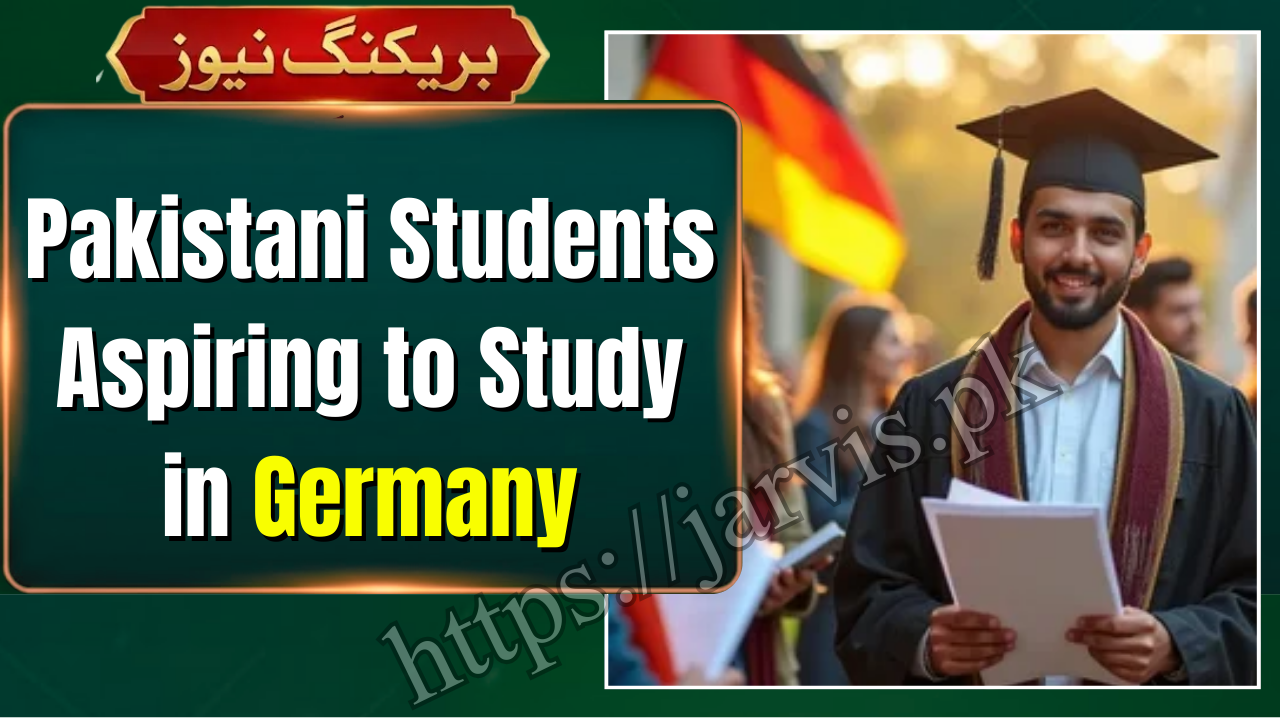
Dreaming of a world-class degree with little to no tuition fees? The German government has just announced a major expansion, planning to increase the number of Pakistani students in Germany from 6,000 to 10,000. This groundbreaking opportunity, discussed in a high-level meeting between Pakistani and German officials, opens doors to affordable, high-quality education and strong career prospects. Here is how you can be part of this wave.
This initiative is part of a strengthened bilateral cooperation focusing on youth, skills development, and vocational training. It represents a direct pathway for Pakistani students to access Europe’s largest economy.
What is the New Germany-Pakistan Education Plan?
Following a meeting between the Chairman of the Prime Minister’s Youth Program and the German Ambassador, a clear roadmap has been established.
| Key Highlight | Details for Pakistani Students |
|---|---|
| Current Pakistani Students | Approximately 6,000 |
| New Target for 2026 Onwards | 10,000 Students |
| Focus Areas | University Degrees & Vocational Training |
| Key Benefit | Access to Low/No Tuition Fee Public Universities |
| Opportunity | Enhanced bilateral exchange programs and scholarships |
What are the Benefits of Studying in Germany?
Choosing Study in Germany offers unparalleled advantages:
- Affordable Education: Most public universities charge no tuition fees, only a nominal semester contribution (€150-€350).
- World-Class Degrees: German universities rank among the best globally, especially in engineering, tech, and natural sciences.
- Work Opportunities: Students can work 120 full days or 240 half days per year to support living expenses.
- Post-Study Work Visa: Graduates get an 18-month residence permit to find a job related to their degree.
- Strong Job Market: Germany faces a skilled labor shortage, offering excellent career prospects for graduates.
What are the Eligibility Requirements?
To qualify for Study in Germany university admission, you generally need:
- Academic Credentials: A recognized secondary school certificate (HSSC/FSc/A-Levels) for Bachelor’s, and a 4-year Bachelor’s degree for Master’s.
- Language Proficiency:
- For German-taught programs: TestDaF or DSH certificate (usually B2/C1 level).
- For English-taught programs: IELTS (6.0+) or TOEFL.
- University Entrance Qualification: Your Pakistani degrees may need evaluation via the Anabin database.
- Blocked Account: Proof of financial means (approx. €11,208 per year) in a blocked German bank account.
Official Source for Information: Always refer to the official German Academic Exchange Service (DAAD) website for accurate guidelines: https://www.daad.pk
Step-by-Step Application Process
Planning is key. Follow these steps to apply to Study in Germany successfully:
- Choose Your Program: Research and shortlist courses on the DAAD portal or university websites.
- Check Requirements: Verify exact entry requirements, deadlines (usually July 15 for Winter, Jan 15 for Summer), and language criteria.
- Prepare Documents: Get your educational documents attested by IBCC and HEC. Translate them if required.
- Apply to University: Submit your application via uni-assist (for many universities) or directly to the university portal.
- Secure Admission: Once you receive an admission letter, apply for a student visa.
- Apply for Visa: Book an appointment at the German Embassy in Islamabad and submit your visa application with all documents, including admission proof and blocked account confirmation.
What is the Cost of Studying in Germany?
While tuition is free, you must budget for living expenses.
- Semester Contribution: €150 – €350 per semester.
- Living Costs: €850 – €1,200 per month (includes rent, food, insurance, transport).
- Health Insurance: Mandatory, costs around €120 per month.
- Visa & Processing Fees: Approximately €75 for the visa, plus other incidental costs.
What Scholarships are Available?
Financial support options include:
- DAAD Scholarships: Fully-funded scholarships for excellently qualified graduates.
- Erasmus+: For specific Master’s programs in Europe.
- University-specific Scholarships: Many German universities offer their own grants for international students.
- Prime Minister’s Youth Program: May offer support or guidance under this new cooperation.
Frequently Asked Questions (FAQs)
Q1: Can I Study in Germany without knowing German?
Yes. Many universities, especially for Master’s programs, offer courses taught entirely in English. However, learning basic German is highly recommended for daily life and increasing job opportunities.
Q2: How much money do I need in my blocked account?
You need to show €11,208 for one year (€934 per month) in a blocked account as proof of subsistence for your student visa.
Q3: Is the IELTS score mandatory for English-taught programs?
Most universities require an English proficiency test. IELTS (typically 6.0-6.5 bands) or TOEFL are widely accepted. Check your specific program’s requirements.
Q4: Can I bring my family on a student visa?
Yes, you can bring your spouse and minor children once you have secured accommodation and can prove you can financially support them.
Q5: What are the job prospects after graduation?
Germany offers an 18-month post-study residence permit to search for a job. The strong economy, especially in engineering, IT, and healthcare, offers excellent prospects for qualified graduates.
Conclusion
The plan to host 10,000 Pakistani students is a transformative opportunity. Start your preparation now: research programs, begin Study in Germany, and get your documents attested. With meticulous planning and by leveraging the official DAAD resources, you can turn this diplomatic announcement into your personal success story of studying at some of the world’s best universities for free. The future is global—seize this chance.
This article is for informational purposes only. SmartFixers.pk is not an official government website and is not affiliated with any government department. Readers are advised to verify all information from official government sources before taking any action.
Our editorial team publishes original and informational content for educational purposes only.
Related Posts